Basement Flood Cleanup in Coney Island, NY
The ocean climbs the West End streets in a coastal storm, and once it drops, the cellar under a Sea Breeze Avenue bungalow is left full of brackish water and sand. That is a routine Coney Island call. Once it recedes, we pump it out, disinfect, and dry.
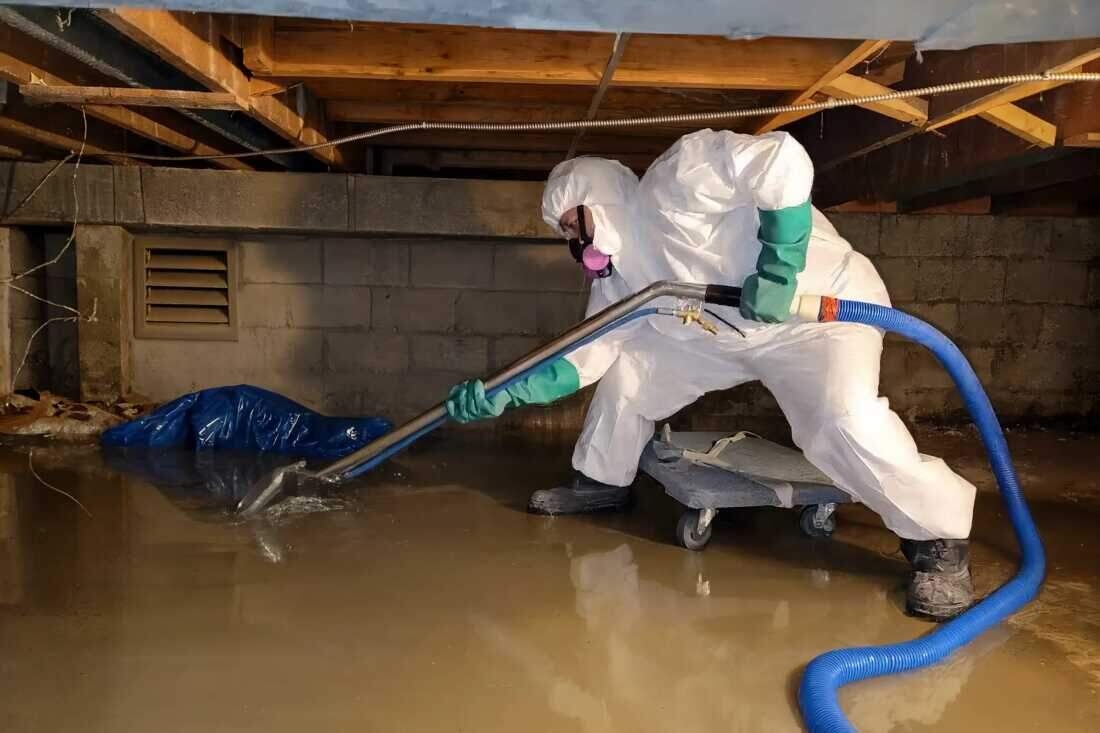
Basement flood cleanup on Coney Island means salt water and sand. The old frame bungalows and small houses off Sea Breeze, Mermaid, and the West End streets sit blocks from the Atlantic on low ground, and their shallow cellars and crawl spaces are the first thing to fill when a coastal storm pushes the ocean inland. That water is brackish, gritty, and contaminated with whatever the street and the tide carried, and it leaves salt and silt behind in the block and the framing after it drains. We do not work an active storm surge — we stage and move in once the water recedes — and then our flooded basement cleaning service runs the whole job: pump-out, muck-out, disinfection, and metered drying under one crew.
Salt is the part people underestimate. Brackish water is Category 3 to begin with, and the salt it leaves behind keeps drawing moisture and corroding metal long after the room looks dry, so a basement flood cleanup company that just pumps and dries a Coney Island cellar leaves that residue working against the house. We rinse and disinfect the surfaces the sea water reached, pull the porous materials it ruined, and only then dry. We answer live at any hour, never an answering service, and roll from our Brownsville base, usually into Coney Island in around 30 to 40 minutes once conditions allow. Air movers and dehumidifiers run on the slab and cinderblock until a meter confirms dry, because block near the water holds moisture long after the surface looks clear.
What we cover in Coney Island
- Pump the cellar out — once the surge recedes, submersible and truck-mounted pumps clear the standing sea water from a Coney Island bungalow cellar or crawl space.
- Muck out sand and ruined storage — the silt and sand the tide left, along with soaked storage and porous materials the brackish water contaminated, come out as waste and get logged.
- Rinse and disinfect the salt — the hard surfaces the sea water reached are rinsed of salt residue and sanitized as Category 3, so the salt is not left to draw moisture and corrode metal.
- Dry to a reading — air movers and dehumidifiers run on the slab and cinderblock until a moisture meter confirms dry, because block near the shore holds water long after it looks dry.
Full detail on this service: Basement Flood Cleanup in Brooklyn · or see every water damage service we provide in Coney Island.
Common questions in Coney Island
Our Coney Island cellar flooded in the storm. Do we file with FEMA flood insurance or the homeowner's policy?
Storm water that came in off the ocean is surface flooding, which a standard homeowner's policy excludes, so that loss runs through a separate NFIP or private flood policy. A homeowner's policy generally answers only for sudden internal failures like a burst pipe or an appliance, not water that rose in from outside. Coney Island sits in a designated coastal flood zone, so most houses here carry a flood policy for this exact reason, and many mortgages require it. We document the loss the same way regardless of which policy applies, and your carrier decides coverage. See our insurance claims guide.
The storm surge is still up. Can a crew get to us right now?
Not while the surge is active, and it would not help if we could — a pump cannot get ahead of water the ocean is still pushing in, and working a flooded level over live outlets during a storm is not safe. What we do is take your call as it is happening, stage a crew, and move in the moment the water recedes, often the same day the storm clears. Calling early puts you first in line when it is safe, and the sooner we pump and dry after the water drops, the less mold gets a foothold.
The floodwater was salty. Does sea water change how you clean the basement?
It does, in two ways. Brackish sea water is contaminated Category 3, so the porous materials it soaked come out as waste and every hard surface gets disinfected, not just mopped. On top of that, salt water leaves a residue that keeps pulling moisture and corroding metal fixtures and fasteners after the room looks dry, so we rinse the salt off the surfaces before drying rather than sealing it in. A cellar that is pumped and dried but never rinsed of salt stays a slow problem, which is why the salt step matters on the coast.
Our bungalow cellar is shallow and half crawl space. Can you still dry something that tight?
Yes, and tight, low spaces are common down here. In a shallow cellar or crawl we pump the standing water, then use low-clearance air movers and dehumidifiers sized for the space to move air across the slab, the block, and the underside of the framing. Crawl spaces trap humidity and hold it against the wood, so we meter the framing and the block and keep drying until the numbers come down, rather than assuming a small space dries on its own. Near the water it will not; it needs the equipment.
Licensed, insured & trained to industry standards


Sea water in your Coney Island cellar? Call now.
A live person answers 24/7, and our crew stages from Brownsville to move in the moment the surge recedes, usually into Coney Island in around 30 to 40 minutes once conditions allow. Every hour salt water sits, it soaks deeper and its residue keeps working against the house. We pump it out, rinse and disinfect the salt, dry the slab and block to a meter, and document the loss for your carrier. Call (347) 906-9419.
Call (347) 906-9419