Mold Removal in Brooklyn, NY
Two weeks after the leak, the back bedroom of a Bed-Stuy brownstone still smells musty. That's mold setting up inside the wall. One crew seals the room, cuts out what it's ruined, and dries the cavity behind it — so the mold has nothing to come back to.
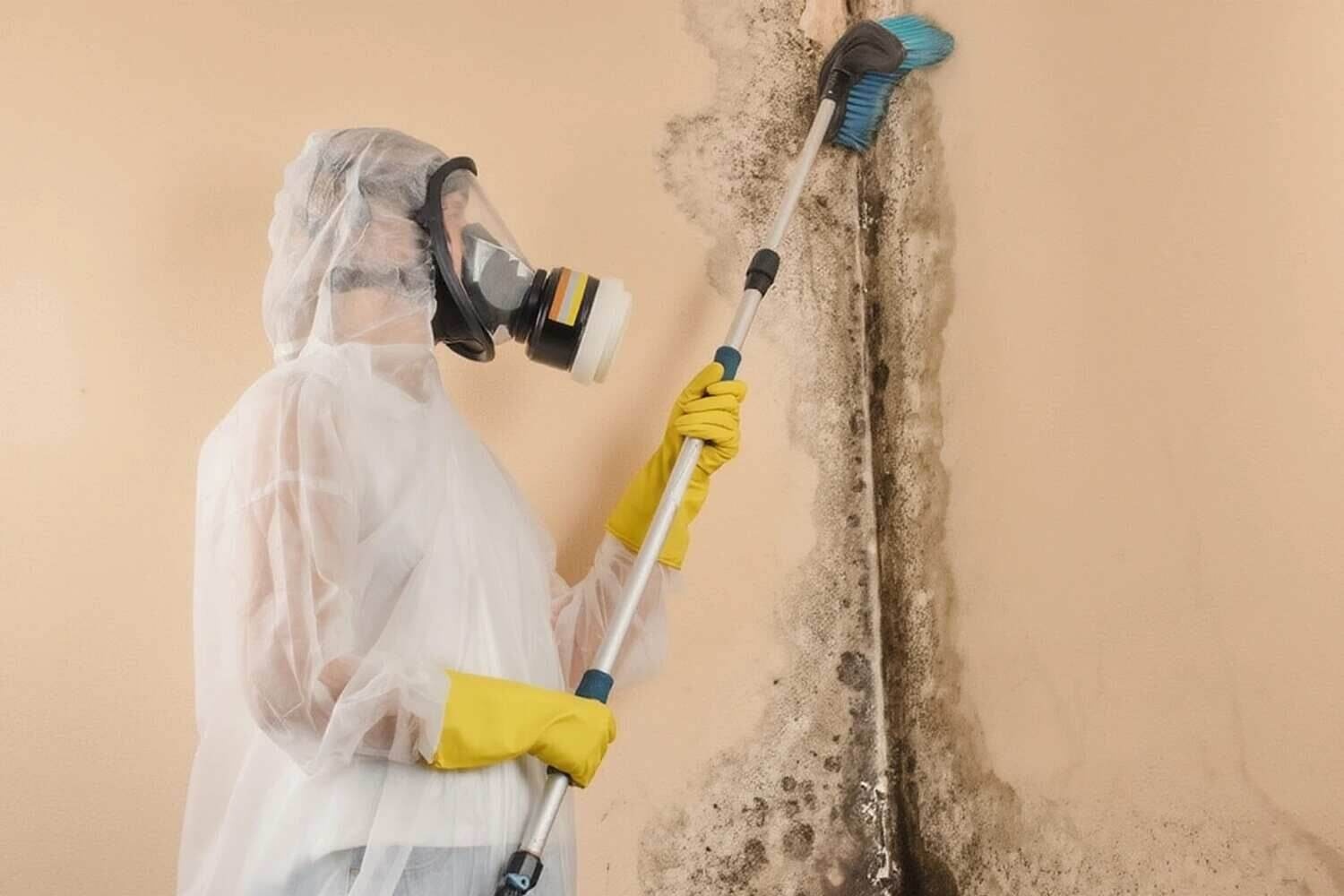
Mold removal is two jobs, not one: stop the water, then clear the colony. Scrub the black patch off the drywall and it's back inside a month, because the damp behind it never went anywhere. That's why Reliable Brooklyn Water Damage Restoration runs mold remediation as a water job first — the crew finds where the water gets in and fixes that before a single cut. Skip that step and you're just rearranging spores.
What we handle on a mold job
- Sealed containment — poly barriers and negative-air machines so spores can't ride the draft into the rooms you're still living in while we cut.
- HEPA air scrubbing — scrubbers pull the airborne spores during removal, when disturbing the growth is throwing the most into the air — not as an afterthought.
- Take out what's grown through — saturated drywall, wet insulation, and chewed-up trim get cut out and bagged; framing and surfaces worth keeping get HEPA-vacuumed and treated.
- Fix the source & dry the cavity — we stop what's letting the water in and dry the opened wall before anything gets rebuilt. A colony cut out of a wall that's still damp is a colony you'll meet again.
How a mold job runs, step by step
- A person answers, we map it out
You get a live voice 24/7, never an answering service. On site, the crew traces the moisture back to its source and finds how far the damp and the colony have run behind the surface.
- Seal the room off
Poly goes up and a negative-air machine puts the work zone under suction before any demolition starts. Air flows into the containment, never out of it. That's what keeps the rest of the home clean.
- Cut out and clean
What the mold has claimed comes out in sealed bags; what's sound stays. Framing and masonry get wire-brushed and treated, so the rebuild starts from clean material.
- Dry the cavity, then verify
Air movers and dehumidifiers pull the wall cavity down to a verified dry reading. Only once the meter agrees do we close it back up.
Because mold rides in on a water event, it pays to have the water damage and the mold remediation handled by the same outfit instead of two contractors pointing at each other. We roll straight in from water removal or structural drying, and when the water that started it was contaminated, sewage cleanup comes first.
Questions we get
How do I tell if it's really mold or just a stain?
A musty smell that won't air out is the clearest sign; staining alone can be old water marks. Look for dark or fuzzy patches on drywall, in grout, or on the back of a baseboard, and stains that return after cleaning, especially somewhere that got wet recently. Brooklyn's prewar plaster and below-grade cellars hold damp for weeks, so check anywhere water got in this season, not just last week. We don't guess on the phone. We come look, usually the same day.
Is mold from water damage dangerous?
That depends on who's breathing it and for how long. Most healthy adults get irritation: a stuffy head, itchy eyes, a cough that eases once they leave the house. Kids, asthmatics, and anyone with a weakened immune system can react harder. The practical point is that you don't need a lab report to act. Testing which species you have almost never changes the work: material with growth through it comes out either way, so spend on the fix, not the diagnosis.
Will the mold just grow back after you take it out?
Not when the water source is fixed and the cavity is metered dry. That's the whole reason we work the moisture first. Mold needs damp material to live on; take the wet away and the food's gone with it. When it does come back on people, the story is almost always a quick cosmetic job that never touched the damp behind the wall.
Do I have to move out while you work?
Usually not for a contained job. The whole point of sealing the room in poly and running negative air is to keep the work (and the spores it kicks up) penned inside the zone so the rest of the house stays livable. On a bigger remediation, or when the growth has spread through several rooms, we'll talk it through with you and your adjuster before anyone makes that call. We'd rather you knew what to expect up front than found out mid-job.
Do I need an independent mold assessment first?
Only when the job is big enough. Past roughly ten square feet of growth, New York State treats the work as a licensed mold remediation project: an independent licensed mold assessor writes the remediation plan, the removal contractor works to that plan, and one company isn't allowed to hold both roles on the same project. It's a good rule — the crew cutting out your wall shouldn't be the one deciding how much wall needs cutting. Below that line (a spot behind a washing machine, one bay of a bathroom wall), no assessment is required, and the mold work usually folds into the water cleanup that caused it.
Does insurance pay for mold removal?
When the mold grows out of a sudden, covered water event (a burst pipe, a failed hose), many homeowner's and HO-6 policies include it, often up to a stated dollar cap. We photograph the source, log the meter readings, and bill your insurer directly. We document the loss; your carrier decides what's covered. We can't promise an approval, but a file that ties the mold straight back to the water event gives the claim its best footing. See our insurance claims guide.
Why water damage keeps turning into a mold problem in Brooklyn
Almost none of the mold we take out of Brooklyn homes is a mystery. Nearly every job is mold from water damage: a radiator line that wept inside a wall all winter, a finished cellar that took on street water in a summer downpour, a supply hose that dripped behind a vanity until the cabinet floor went soft. Give damp material a day or two and spores take hold, and inside the closed-up walls of a brownstone or a row house the growth runs well past the patch you can see. So remediation starts at the moisture, not the stain.
Mold removal services in Brooklyn run the whole range, from a handyman with a fogger and a jug of bleach to full containment crews, and the difference shows up a month later, when the patch either stays gone or blooms back through the fresh paint. Bleach kills the surface and misses the root. Real remediation means negative air, removal down to sound material, and attention to what fed the growth: mold after a clean supply leak is mostly a drying problem, while mold after a sewage backup means everything porous the water touched gets removed, moldy-looking or not. And a mold removal company that doesn't own drying equipment can only do half the job — the removal half, not the half that stops the regrowth. Reliable Brooklyn Water Damage Restoration runs its own IICRC-certified crews, its own air scrubbers, and its own dehumidifiers, so the visit that clears the growth is the same visit that dries the wall it grew from.
We dispatch from Brownsville and see the same patterns block after block: winter condensation feeding growth in the top-floor corners of Flatbush prewar apartments, cellar mold in East New York row houses after a wet spring, Bushwick walk-up bathrooms where the only vent is a painted-shut window. Queens, Manhattan, the Bronx, and Staten Island are in range when the job is bigger than a closet. Spotted something growing at 9 p.m.? Don't wait for morning: call (347) 906-9419 and we'll take it from there, any hour.
Where we work
We provide mold removal in: Brownsville · East New York · Bedford Stuyvesant · Crown Heights · Flatbush · Bushwick · Williamsburg · Park Slope · Bay Ridge · Canarsie · Coney Island · Mill Basin · Queens · Manhattan · The Bronx · Staten Island.
Licensed, insured & trained to industry standards


Stop the spread — call now
We answer day and night. The sooner the room is sealed and the water source is stopped, the less of the wall you lose — and the smaller the rebuild on the other side.
Call (347) 906-9419