Mold Removal in Mill Basin, NY
Two summers after the basement was patched, the wet, earthy smell creeps back near the laundry corner of your National Drive house. On filled marshland ringed by canals, with the water table sitting high under the slab, that smell means a colony alive in framing nobody ever dried.
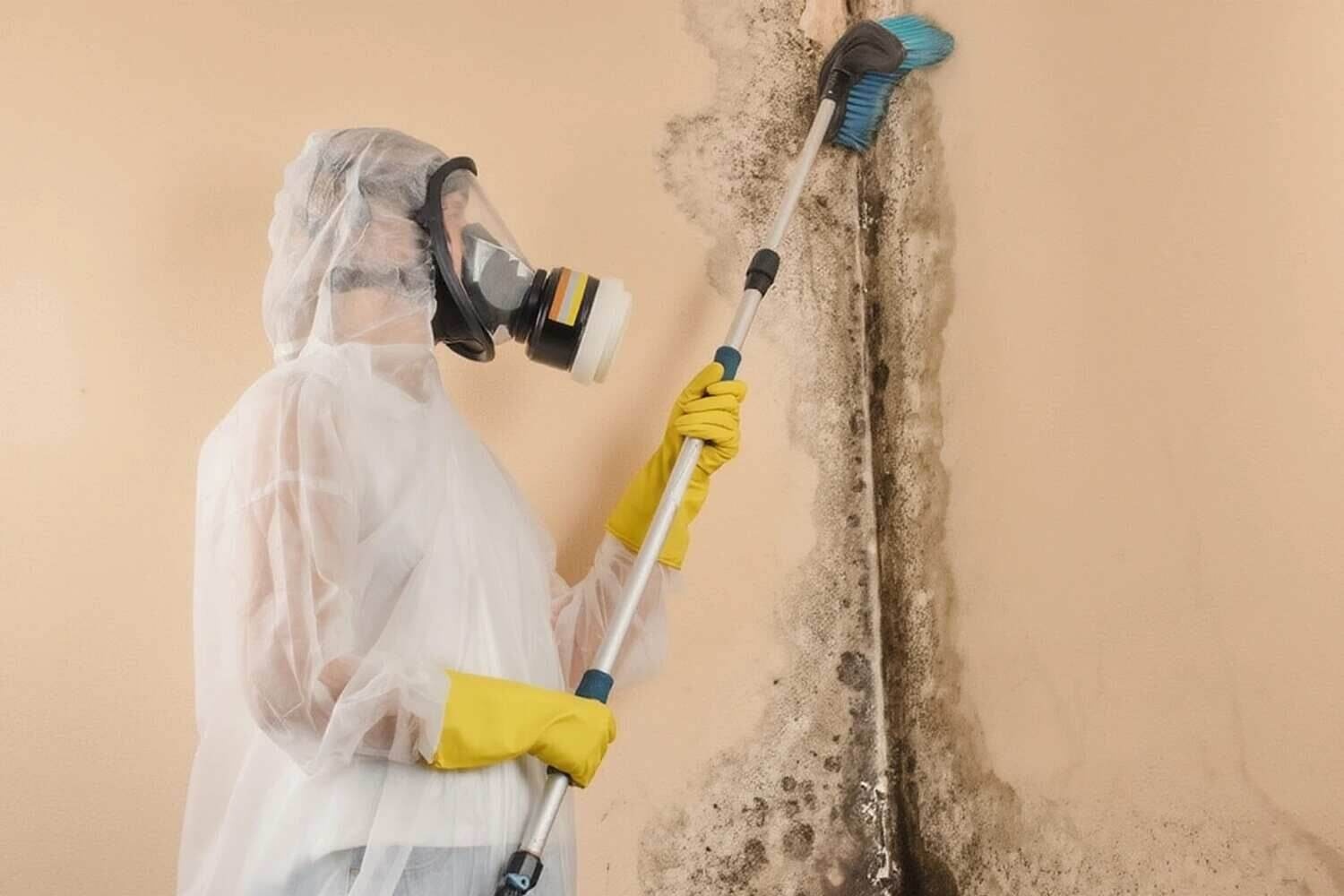
Mill Basin was built on filled marshland, hemmed in by the canals off Jamaica Bay, and most of it is attached and detached single-family homes with finished basements and tuck-under garages. Much of the neighborhood sits in FEMA Zone AE, and the water table runs high enough that a below-grade level never really gets the chance to dry hard. That is the root of most mold removal here: not one dramatic leak but a slab and framing that stay a few points too damp year-round, so growth that got patched over after Sandy resurfaces every warm month as a musty lower level. Mold from water damage in a house like this is a moisture-balance problem, not just a spill.
Reliable Brooklyn Water Damage Restoration answers the phone live around the clock, no answering service, and a crew from our Brownsville base reaches most of Mill Basin in about 45 minutes depending on the Belt. As a mold remediation company we read the whole affected assembly first, slab to framing to drywall to insulation, then decide what comes out. We seal the room, pull the colonized material behind plastic and negative air, and dry the cavity to a verified reading before anything goes back. Because the water table keeps feeding the wall, our mold removal services fix what actually keeps it damp rather than wiping the stain you can see today.
What we cover in Mill Basin
- Read the below-grade assembly — a moisture meter and thermal camera check slab, framing, drywall, and insulation, because with the water table this high the wet often runs wider and lower than the patch by the laundry corner.
- Seal and remove behind negative air — poly barriers put the basement zone under suction before demolition; colonized drywall, insulation, and trim come out in sealed bags under HEPA scrubbing while sound framing gets vacuumed and treated.
- Address what keeps it damp — we flag the moisture path a high water table drives, from a tired sump setup to a wall wicking off the slab, so the fix targets the source and not just this season's growth.
- Dry to a verified number — commercial air movers and dehumidifiers run the cavity down to a metered reading and the wall stays open until it holds; larger jobs get independent clearance under New York's mold law before the rebuild.
Full detail on this service: Mold Removal in Brooklyn · or see every water damage service we provide in Mill Basin.
Common questions in Mill Basin
With the water table this high under my basement, will drying it actually hold, or does it just come back?
It holds when the job addresses the moisture balance, not only the growth. A high water table off the canals does not flood your basement, but it keeps the slab and lower wall a few points damper than a house on higher ground, and that margin is what mold lives on. So we dry the cavity to a verified reading and, just as important, flag what keeps it wet: a sump that cannot keep up, a wall wicking straight off the slab, missing vapor control. Fix the removal and the moisture path together and it stays gone; treat only the surface and the water table feeds it right back.
The mold is in the finished part of the basement, but the tuck-under garage smells too. Does that get remediated as well?
It should, and on a Mill Basin house the two are usually connected. A tuck-under garage sits at grade against the same below-grade slab, so it takes on the same water-table damp and often shares a wall or ceiling with the finished space above and beside it. We meter the garage assembly along with the basement, and if growth has taken hold in the framing, sheathing, or a shared ceiling, it comes into the same scope. Clearing the finished room while leaving a colony in the garage next to it just gives the mold a reservoir to spread back from.
What decides the cost, and can you quote me over the phone?
Not accurately by phone, because the price tracks the job. What drives it is how far the moisture ran, how much material has to come out, whether the garage is involved, and how many days of drying a below-grade cavity needs, which runs longer here than in a house on dry ground. A single damp corner is a small scope; a colony that spread across the basement and into the garage is a bigger one. When a remediation company gives you a firm number sight unseen, it is guessing. We would rather read the assembly, meter the wet, and hand you a scope you can give your adjuster, and we bill the insurer directly where the policy allows.
How deep does this go? The floor looks alright but the whole lower level smells.
Usually deeper than the floor lets on, and a smell with no visible stain is exactly the case for metering before assuming. In a below-grade Mill Basin level the growth often sits in the wall cavity, behind the baseboard, under the subfloor, or in the insulation against the slab, feeding on water-table damp with nothing on the surface. We map the whole assembly with a moisture meter and thermal camera to find where it actually lives, then open only that footprint. A musty lower level with a clean-looking floor almost always means the colony is behind or beneath what you can see, not on it.
Licensed, insured & trained to industry standards


Lower level smelling musty every summer in Mill Basin? Call now.
A real person answers any hour, and a crew rolls from Brownsville, usually into Mill Basin in about 45 minutes on the Belt. Every job closes the same way: the colonized material out, the moisture path flagged, the cavity metered dry, the file ready for your carrier. With the water table this high, a surface wipe never lasts, so we fix what keeps the wall damp. Call (347) 906-9419.
Call (347) 906-9419