Burst Pipe Water Damage in Brooklyn, NY
A frozen line in an unheated cellar splits overnight, then lets go when it thaws: hundreds of gallons at full pressure before anyone finds the shutoff. We stop the water, pump it out, and dry what it soaked to a meter reading. Any hour.
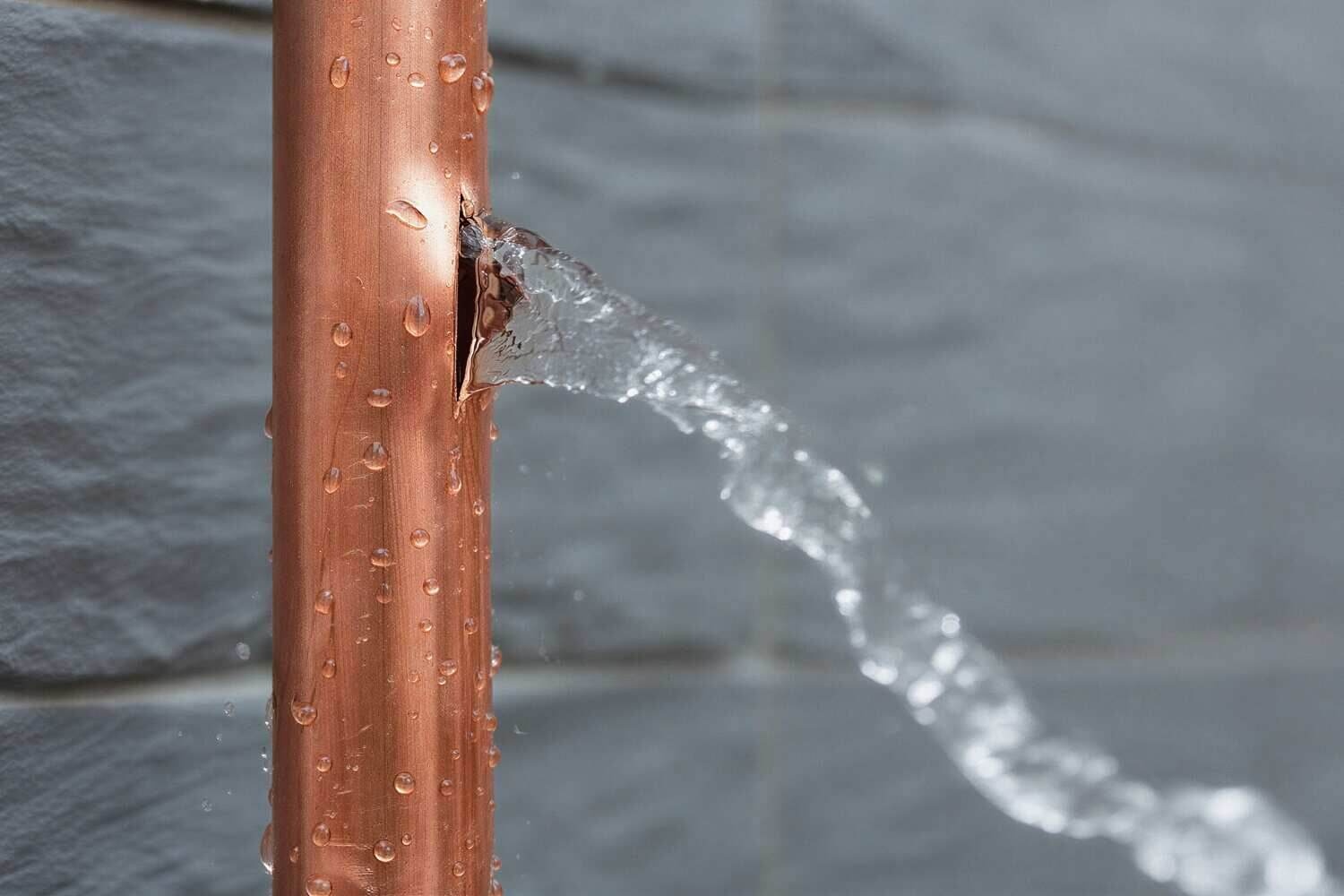
A burst pipe is a clock, not a puddle. A half-inch supply line under pressure puts out more water in ten minutes than most people mop in a week, and until someone kills it, the leak keeps wicking into drywall, subfloor, and framing. Reliable Brooklyn Water Damage Restoration handles burst pipe water damage end to end: we find the failed line, pump out the water, and dry the structure to a metered reading before mold gets a start. The cleanup covers every floor the water touched, not just the room where the line burst, and once the cavities read dry, the crew patches the openings we made and leaves everything ready for a clean repair.
What the job covers
- Shut-off & source control — we cut the water at the nearest valve or the main and trace the failed run so the leak can't keep feeding the damage.
- Frozen-pipe splits — the Brooklyn-winter classic: a line that froze inside an uninsulated exterior wall or a top-floor cockloft, split, and let go when it thawed.
- Whole-house pump-out & cavity drying — standing water goes out first, on every floor it reached; then what's trapped inside walls and above ceilings gets dried in place with cavity injection, not left to rot the studs and joists.
- Documentation for your claim — photos, daily moisture readings, and a scope your insurer can act on, captured as we work.
How a call goes, start to finish
- We answer and dispatch
A real person picks up, day or night, takes your address, and sends the nearest crew. From our Brownsville base we usually reach most of Brooklyn in around 45 minutes, depending on traffic.
- Stop the water, make safe
We shut the line or the building main, check for electrical hazards near soaked outlets and ceiling fixtures, and pin down exactly where the line gave out.
- Extract and open the wet cavities
Standing water comes out with truck-mounted extraction; we make controlled openings to reach the water hiding inside walls and above ceilings, and photograph every bit of it.
- Dry to a verified reading
Air movers and dehumidifiers run while we meter daily, so the framing and subfloor dry to an actual number, not just dry to the touch, before any repairs begin.
When the line let go upstairs, this runs straight into ceiling water damage, and once the water is out it leads into structural drying. If the pipe stayed wet behind the wall for days, mold removal may follow. One Brooklyn crew handles the whole chain.
Common questions
It's pouring out right now — what do I do before you arrive?
Shut the water off at the main if you can reach it safely, usually in the cellar near where the line enters the building, or at the meter. If a ceiling is bulging and holding water, stay out from under it. Kill power to any room with standing water at the breaker rather than wading in. Then call (347) 906-9419; a technician picks up live and we roll a crew while you're still on the phone. Crews come out of Brownsville and typically make most of Brooklyn in about 45 minutes, traffic depending.
A frozen pipe split last night — is that something you handle?
Yes. Frozen pipe water damage restoration is half of what we do once the cold sets in. Ice expands inside the line until the copper splits, and the crack lets go hours later, when the pipe thaws and pressure comes back. We pump out what spilled, open and dry the wall or ceiling cavity the line runs through, and meter it dry. We're the restoration crew, not the plumber: a plumber repairs or replaces the pipe itself, and we keep everything dry until they can get to it.
Do you tear out the wall, or can it dry in place?
We open as little as possible. Plaster and drywall that's structurally fine but wet behind the surface gets dried in place: we make small controlled openings and push warm air into the cavity so the studs and the back of the board dry without ripping out the whole wall. What comes out is only what's truly past saving: soaked insulation, delaminated board, swollen baseboard. The point is to dry the building back to a meter reading, not to gut a room that didn't need it.
How long does the drying take once the water is out?
Three to five days on most burst pipe jobs. The pump-out itself goes quickly; what takes time is pulling moisture back out of framing, plaster, and subfloor. The gear runs around the clock, we come back to meter every day, and the equipment leaves the moment the readings hit target. Prewar plaster and old-growth joists hold water longer and sit at the top of that range; a modern drywall apartment dries sooner.
Will insurance cover a burst pipe?
A sudden, accidental failure (a frozen line that split, a corroded joint that finally gave out) is the textbook covered loss on a homeowner's, HO-6, or renter's policy, and the cleanup and drying are normally part of that claim. The pipe itself usually isn't: carriers pay to fix what the water ruined, not the worn plumbing that failed, so the plumber's bill for the pipe tends to land on you. We photograph everything, log the daily meter readings, and bill your insurer directly. What the policy covers is the adjuster's call, never ours; what we promise is a file that holds up. See our insurance claims guide.
When a line lets go in Brooklyn
A burst pipe rarely picks a convenient moment. It's a cold snap overnight, or a tired line that finally gives out behind a wall you can't see, and by the time you notice, the water has already run down through a ceiling and pooled on the floor below. The longer it sits, the deeper it soaks into subfloor, joists, and insulation, and the higher the odds of mold behind the paint. Good burst pipe damage restoration comes down to two moves: find every wet pocket, including the water hiding inside wall and ceiling cavities where a meter, not your eyes, finds it, then dry it all the way back out before it causes a second round of damage. Reliable Brooklyn Water Damage Restoration runs the whole cleanup as one in-house service: its own IICRC-certified crews, its own extraction and drying gear, and a real person on the phone at any hour.
Brooklyn's older housing stock makes pipes fail in ways newer buildings don't. Galvanized and early copper lines that have corroded for fifty years give out at a thin spot or a joint with no warning, and water hammer does its share too: that bang in the wall when a valve snaps shut is a pressure spike, and years of those spikes work a soldered joint loose long before winter gets its chance. When winter does come, the exposed runs freeze first — a supply line inside the uninsulated exterior wall of a row house, a riser in a building that loses heat over a holiday weekend, an unheated cellar or top-floor cockloft that holds cold air for weeks. In a finished basement the split often hides above a dropped ceiling or behind a paneled wall, so the water spreads through the cavity long before a stain shows on the surface, which is exactly why we meter the structure instead of trusting what's visible.
How fast we work the wet matters more than most people think, because the water never just sits where you can see it. Within a couple of hours it climbs the drywall, runs along the top of the floor joists, and pools in the stud bays. Pull only what shows and the structure stays wet behind the surface; that's how a one-room leak becomes mold three weeks later. The gap between what you can see and what's actually wet is what a burst pipe remediation company is for: we open the cavities the line runs through, dry them with targeted air and dehumidification, meter daily until they hit a verified reading, and only then call the building ready. That's the difference between a clean burst pipe water damage repair and a patch over a wall that's still damp behind the paint.
Reliable Brooklyn Water Damage Restoration dispatches from Brownsville and serves East New York, Bed-Stuy, Crown Heights, Flatbush, Bushwick, Williamsburg, Park Slope, Bay Ridge, Canarsie, Coney Island, Mill Basin, and the rest of Brooklyn, plus Queens, Manhattan, the Bronx, and Staten Island. Call (347) 906-9419 any hour and a technician will pick up.
Across Brooklyn & NYC
We clean up burst and frozen pipe water damage across: Brownsville · East New York · Bedford Stuyvesant · Crown Heights · Flatbush · Bushwick · Williamsburg · Park Slope · Bay Ridge · Canarsie · Coney Island · Mill Basin · Queens · Manhattan · The Bronx · Staten Island.
Licensed, insured & trained to industry standards


Burst pipe? Call now
Crews are standing by 24/7 across the five boroughs. The sooner we shut the line and pump out, the less water soaks in and the smaller the repair.
Call (347) 906-9419