Mold Removal in Staten Island, NY
On the South Shore your finished basement pumps out a few times a year now, and every king tide puts the bay back over the bulkhead. The floor dries, the paneling looks fine, and the framing behind it never quite does. That trapped damp is where mold feeds.
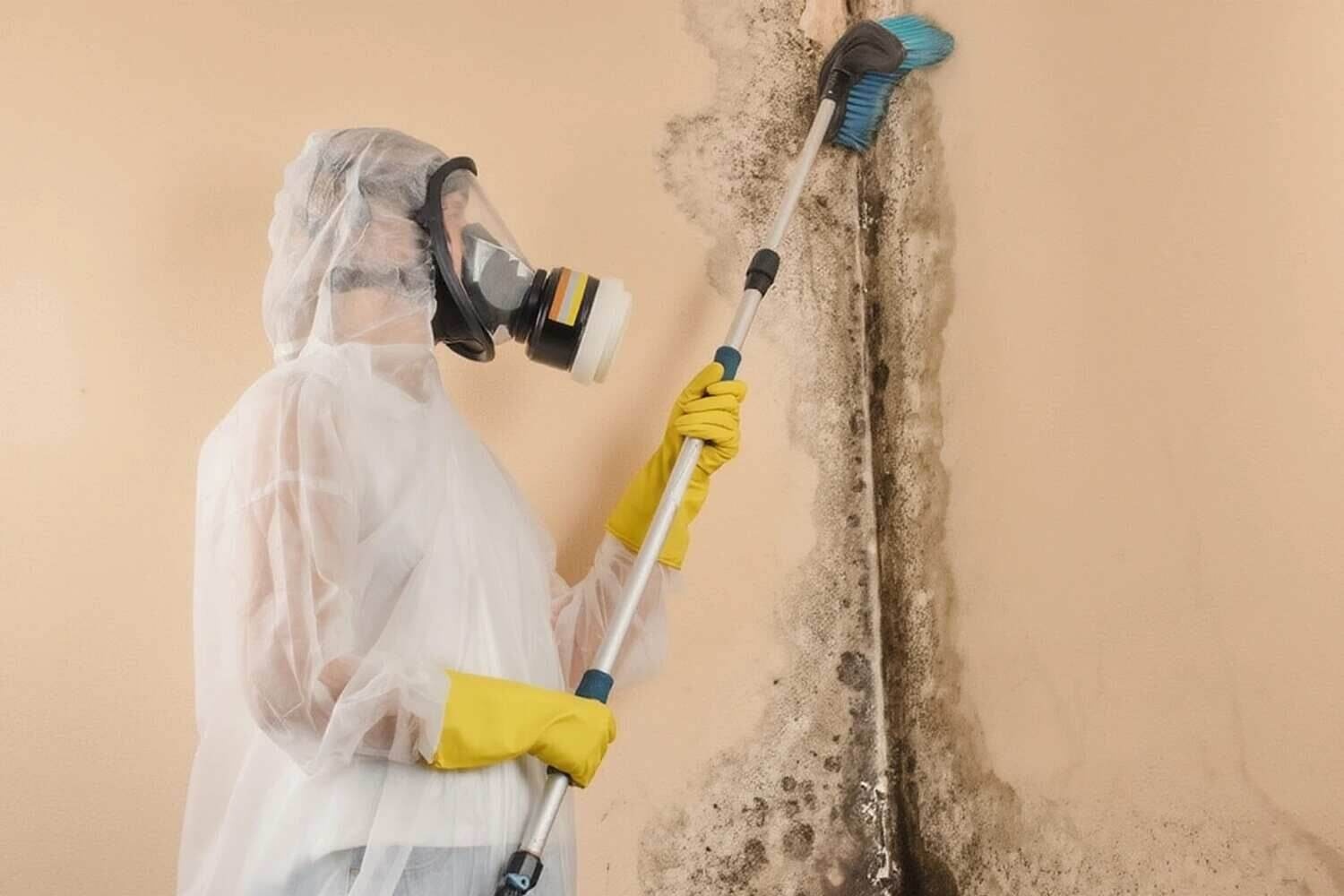
Staten Island has more single-family detached houses than any borough, and far more finished basements, which puts a lot of living space at the exact level flood water reaches first. The low East Shore, from Tottenville up through Great Kills, Oakwood, and Midland Beach, sits open to Lower New York Bay inside FEMA AE and VE flood zones, and Sandy drove a surge near fourteen feet through those streets in 2012. That water never fully backed off. Blocks that used to flood once a decade now pump the cellar out several times a year, and surge soaks framing and subfloor from below, then keeps pulling moisture long after the tide drops. Somebody pulls the standing water and the open room dries, but the wall cavity and the insulation behind the finishes stay damp, and mold from water damage cycles through that assembly season after season, out of sight.
Reliable Brooklyn Water Damage Restoration works the whole island, and most of these basement calls come down to the same gap: the visible water got removed and the structure behind the wall never got dried to an actual meter reading. A crew reaches most of the island in roughly 45 to 60 minutes from our Brownsville base over the Verrazzano, the toll and bridge traffic setting the clock rather than us, and a live person answers any hour instead of a service. The work runs in a fixed order. We probe the moisture profile to map how far it spread, seal the area under negative air, and cut out what's colonized: soaked drywall, insulation, and trim. Then comes the part that decides whether it stays gone. We find the source, whether that's residual surge moisture, a high water table, or groundwater pushing through the slab, dry the cavity to a verified reading, and finish with clearance testing. A mold removal company without its own drying and metering gear can carry the material out but can't prove the cavity dry, and on a flood-zone basement that proof is the whole point. We document the loss; your carrier decides what it covers. Call (347) 906-9419.
What we cover in Staten Island
- Sealed containment — plastic barriers plus negative air keep spores out of the upstairs living space while the colonized basement material is open.
- HEPA air scrubbing — scrubbers pull the airborne spores during the removal, while the mold is being disturbed, not once the wall is already open.
- Colonized material removed — flood-soaked drywall, insulation, and trim cut out and bagged on site; the salvageable surfaces HEPA-cleaned and treated.
- Source dried, then clearance — we dry the cavity to a verified reading, name what keeps it wet, and close with a clearance test instead of a corner that just gets repainted.
Full detail on this service: Mold Removal in Brooklyn · or see every water damage service we provide in Staten Island.
Common questions in Staten Island
We had the basement mold treated once and it came right back in the same spot. Why does that keep happening on the South Shore?
Because the water source was never solved, only the surface. In a flood-zone basement down here the moisture usually isn't one old leak, it's the water table sitting high against the slab or surge residue that never dried out of the framing, and a surface treatment does nothing about either. We find and dry the real source first, then tell you straight whether a sump, perimeter drainage, or a vapor barrier is what actually keeps it dry. We finish with clearance testing so you get a meter-backed result, not a repainted corner that reopens the next time the bay comes over the bulkhead.
I'm selling my East Shore house and the buyer's inspector flagged mold in the flood-zone basement. How fast can you clear it and give me something for the sale?
Call us for a same-day look. We can confirm how far the growth went within hours, write you a scope, and once you say go, finish the remediation and issue a post-remediation report with a clearance reading. New York's 2026 seller-disclosure rules require you to put past flood events on the table with dates and repair records, and a remediation report with a clean clearance is the strongest version of that proof. We can't tell you what a particular buyer will accept, but we can make the record plain: found, removed, dried, and documented.
If the bay floods my basement a few times a year anyway, is there any point clearing the mold now?
There is, as long as the fix is honest about the flooding. Clearing the growth stops what's actively spreading into your framing and belongings today, and a household breathing spores from a recurring wet basement is the reason to act rather than wait. The part that lasts is pairing the removal with what manages the water: proper drying after each event, a working sump, and a vapor barrier where the slab weeps. We'll tell you plainly that no remediation stops the bay, but a dried, sealed, and monitored basement handles the next tide far better than paneling nailed over damp studs.
The water that flooded my basement came up from the ground. Is that mold a health concern beyond the usual?
It can be, because flood water that rises in from the bay or up through the slab is contaminated Category 3 water, so along with the mold there's bacteria and whatever the surge carried into the space. Mold itself sets off allergy symptoms, asthma flare-ups, and sinus trouble, and children or anyone with a respiratory condition tend to feel it first. We don't diagnose health conditions. What we do is contain the area under negative air so spores don't travel upstairs while we work, remove the contaminated porous material rather than dry and reuse it, and treat what stays.
Licensed, insured & trained to industry standards


Flood-zone basement molding over on Staten Island? Call now.
A crew heads over the Verrazzano, any hour, with a live person on the phone. We contain the area, remove the colonized material, dry the cavity to a meter reading, and close with clearance testing so the record is plain for your claim or your sale. Call (347) 906-9419.
Call (347) 906-9419