Mold Removal in Canarsie, NY
The finished basement off Rockaway Parkway has been patched twice since Sandy, and every warm month it goes sour again by the laundry corner. Each backup dried on the surface and never in the framing. That trapped damp is a colony nobody has actually reached.
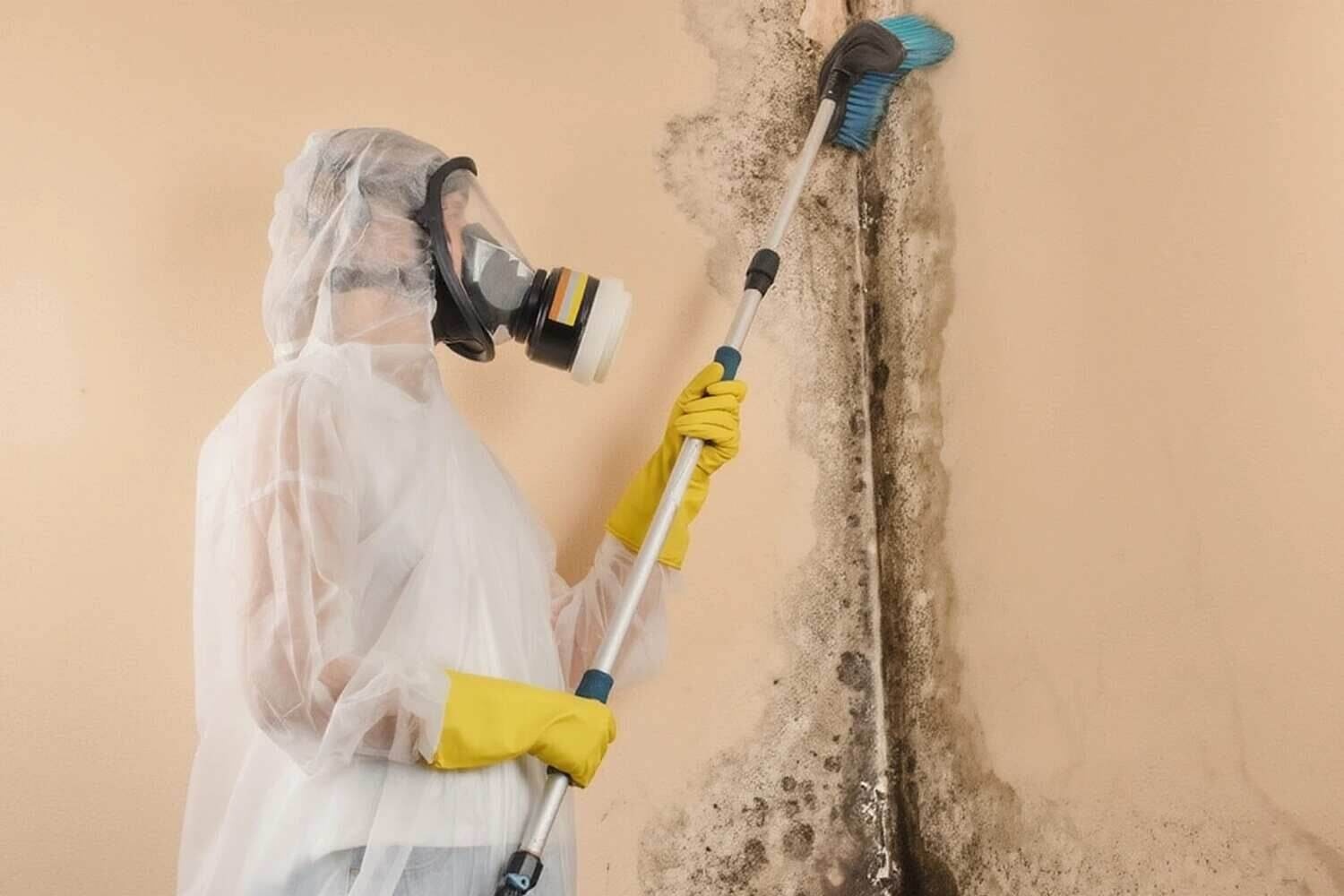
Canarsie sits low between Fresh Creek Basin and Jamaica Bay, and that geography is why mold removal here is rarely a clean-water problem. When a storm pushes the combined sewer past what it can hold, the backup shoves contaminated water up through the floor drains into the finished basements common to these single-family and semi-detached homes. Many of those basements got pumped and fanned dry after Sandy without commercial equipment, so moisture stayed locked in subfloor and wall cavities and has fed growth for more than a decade. Each new flood adds a layer, so mold from water damage here often means reopening work a rushed dry-out left half done.
Reliable Brooklyn Water Damage Restoration treats Canarsie's risk for what it is: sewer water, not a tidy pipe leak. As a mold remediation company we meter the structure first to find how far the moisture and growth actually reached, then seal the work area so spores cannot ride the air into clean rooms. Saturated drywall, insulation, and trim come out and get bagged; salvageable surfaces are sanitized and treated, and HEPA scrubbers run the whole job. We dry the wall to a verified reading before closing it. Our mold removal services log the source, the category, and every piece hauled, because we document the loss and your carrier decides what it covers.
What we cover in Canarsie
- Map the real reach first — a moisture meter and thermal camera find how far the backup traveled into subfloor and wall cavities, so we open the whole wet footprint a previous dry-out missed, not just the stain by the drain.
- Contain sewer-grade contamination — poly and negative air seal the basement before demolition; because the water was Category 3, everything porous it touched comes out in bags whether it looks moldy or not, under HEPA scrubbing.
- Sanitize and treat what stays — framing and masonry worth keeping get cleaned, antimicrobial-treated, and vacuumed, so the rebuild starts from material that reads clean, not painted over.
- Dry to a verified number — commercial air movers and dehumidifiers run the cavity and subfloor down to a metered reading, the kind of drying the after-Sandy fans never delivered; larger jobs get independent clearance under New York's mold law.
Full detail on this service: Mold Removal in Brooklyn · or see every water damage service we provide in Canarsie.
Common questions in Canarsie
My basement has been treated twice since Sandy and the mold keeps coming back in the same spot. Why does that keep happening?
Because the earlier work almost certainly cleared the surface without ever drying the cavity behind it. A lot of Canarsie basements got pumped and fanned with household equipment after a backup, which dries what you can see and leaves subfloor and wall cavities wet underneath. Mold lives on that trapped damp, so it blooms back through fresh paint every warm month. Breaking the cycle means opening the wall, pulling the material with growth through it, and drying the cavity to a metered number with commercial gear. Once the framing genuinely reads dry, the colony has nothing left to feed on.
The water came up through the floor drain from the sewer. Is that mold worse for us than a regular leak?
The handling is more cautious, yes. A sewer backup is Category 3 water, which carries bacteria and other contaminants a clean pipe leak does not, so it is not only about the mold. On this kind of job everything porous the water touched — drywall, insulation, carpet, pad — comes out whether it looks grown-over or not, and salvageable surfaces get sanitized and antimicrobial-treated, not just dried. That is a stricter standard than a supply-line leak, and it is the right one here. We contain the area and run HEPA scrubbers so nothing airborne moves into the rest of the house while we work.
The last two crews said they dried it out. What are you doing differently?
Two things, mostly: we meter before we start and we dry to a number, not to the eye. Before touching anything we map how far the moisture actually ran, so we open the real footprint instead of the visible patch. Then we run commercial air movers and dehumidifiers on the cavity and log a daily reading, and the equipment stays until the framing reads dry, not until it feels dry to the hand. A basement below the water table off Rockaway Parkway holds damp stubbornly, and household fans simply cannot pull it out of a wall cavity. That gap is why it kept returning.
Does my homeowner's policy pay for a sewer-backup mold cleanup?
Only if you carry the right endorsement, and many standard policies do not include it by default. Sewer and drain backup is usually covered by a separate rider you add on, and mold coverage sits under its own stated cap when it applies at all. That is different from a burst supply line, which more often falls under the base policy. We photograph the source, log the readings, and bill your insurer directly, and we document the loss while your carrier decides what it covers. Given how often Canarsie basements take a backup, checking whether your policy carries that rider is worth doing before the next storm, not after.
Licensed, insured & trained to industry standards


Basement molding back after every Canarsie backup? Call now.
A real person answers any hour, and the crew rolls from Brownsville with the containment and commercial drying gear loaded. This time the cavity gets metered dry, not just fanned, so the colony has nothing to grow back on. We contain the sewer-grade contamination, pull what the water ruined, treat what stays, and document the loss for your carrier. Break the cycle instead of patching it again. Call (347) 906-9419.
Call (347) 906-9419