Mold Removal in Coney Island, NY
A bungalow near Mermaid Avenue took brackish water across the slab last nor'easter, dried on the surface, and looked fine by spring. Then the musty smell returned. Salt left in that framing pulls damp from the air, and a colony feeds on it long after the tide.
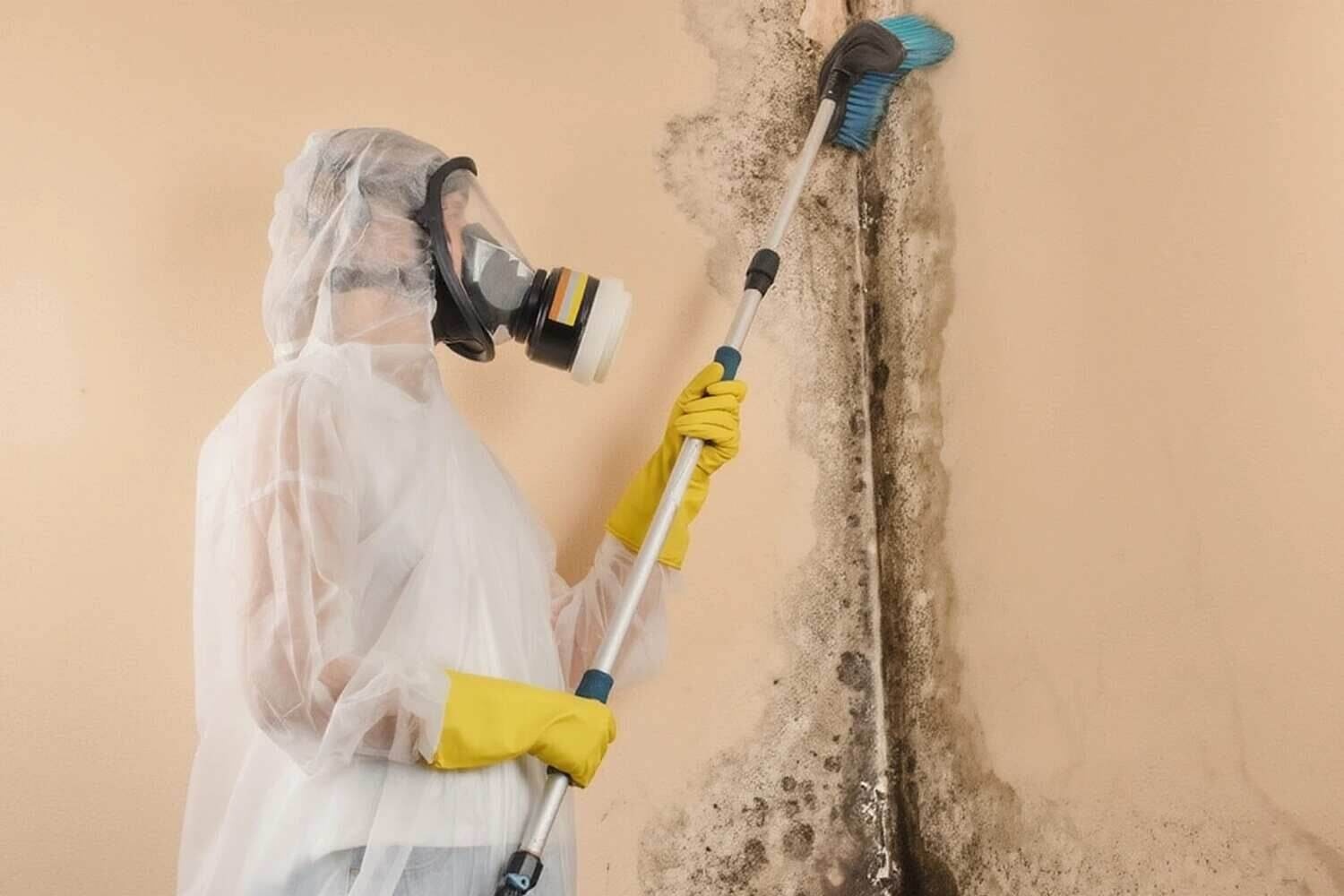
Coney Island took the surge worse than almost any block in Brooklyn, and the water that came in was rarely clean. It pushed in off the ocean by the boardwalk and from the back of the peninsula through Coney Island Creek, knocking out boilers and pumps in the Surf and Neptune Avenue high-rises for weeks and soaking the lower floors with salt water mixed with sewage. Salt is what makes mold removal here its own problem: it soaks into framing and masonry and stays hygroscopic, drawing moisture back out of humid air long after the flood dried, so growth resurfaces with every damp stretch. This is mold from water damage that a rushed dry-out never truly ends.
Reliable Brooklyn Water Damage Restoration answers live around the clock, and a crew from our Brownsville base usually reaches the peninsula in about 40 minutes, traffic on Ocean Parkway depending. As a mold remediation company we run two lines of work here. In the Surf Avenue co-ops we coordinate elevator access with management, run floor-by-floor containment, and write up moisture findings the board keeps on file. In the Mermaid Avenue bungalows we open the full assembly, slab to framing to finished wall, and pull whatever held salt-laden water. Our mold removal services close every job the same way: the colony out, the salt-contaminated material gone, and the cavity behind it proven dry to a meter.
What we cover in Coney Island
- Open the full assembly — on a peninsula bungalow the salt sits low in the slab, framing, and finished wall, so we read the whole stack with a meter and open what the tide actually reached, not just the wall you can see.
- Pull the salt-laden material — because brackish surge is contaminated water, porous material it soaked comes out in bags under HEPA scrubbing whether it looks grown-over or not; leaving salted drywall in place just re-wets the wall next humid month.
- Clean the surfaces that stay — framing and masonry worth keeping get rinsed of salt residue, antimicrobial-treated, and vacuumed, so the material the rebuild sits on is not still pulling moisture from the air.
- Dry to a meter, then document — air movers and dehumidifiers run the assembly down to a verified reading; in a co-op we hand the board floor-by-floor findings, and larger jobs get independent clearance under New York's mold law.
Full detail on this service: Mold Removal in Brooklyn · or see every water damage service we provide in Coney Island.
Common questions in Coney Island
The basement dried out after the last storm, so why does it keep smelling musty months later on the peninsula?
Salt is the reason, and it is what sets Coney Island apart from an inland leak. When brackish surge soaks framing and masonry, it leaves salt behind, and salt is hygroscopic — it keeps pulling moisture out of humid air long after the water itself is gone. So the wall reads damp again on the next muggy stretch, and mold that was cut back on the surface feeds right off it. Truly ending it means removing the salt-laden material, rinsing and treating the surfaces that stay, and drying the assembly to a metered number, not just fanning the floor until it feels dry.
The water was salt water mixed with sewage. Is that mold more of a health concern than a normal one?
The water gets handled more cautiously, yes. A surge that mixes seawater with sewer overflow is Category 3, so it carries bacteria and contaminants a clean leak does not, and that shapes the whole job, not just the mold. Everything porous it touched comes out whether it looks grown-over or not, and the surfaces that stay get sanitized and antimicrobial-treated rather than only dried. We contain the work area and run HEPA scrubbers so nothing airborne drifts into clean rooms. As for the mold itself, how much it bothers you depends on who is breathing it, but the contaminated-water side is the reason we work to a stricter standard here.
I'm in a Surf Avenue co-op. Can you get in and coordinate with building management?
Yes, that coordination is a routine part of these jobs. Give us the managing agent's contact and the building's requirements when you call, and we arrange the certificate of insurance and the elevator access before the crew leaves Brooklyn. In a high-rise we run containment floor by floor so the work zone stays sealed off from occupied units, schedule the noisy demolition inside the building's work hours, and hand management written moisture findings for the file. Handling that in advance is what keeps the crew from losing a day at the front desk of a Neptune Avenue tower.
How long does a job like this take?
A single-room bungalow job usually runs four to six days, a little longer than an inland leak. Day one is containment, removal, and the salt rinse; then air movers and dehumidifiers run several days while the slab, framing, and wall dry down to a metered reading, and the drying end tends to run long here because salt-laden masonry gives up moisture slowly. A co-op unit or a job across several rooms takes more. We give you a real schedule after we meter the assembly, because guessing before we have opened it is how a job runs over.
Licensed, insured & trained to industry standards


Coney Island bungalow going musty every damp month? Call now.
A real person answers any hour, and a crew rolls from Brownsville, usually onto the peninsula in about 40 minutes. Every job closes the same way: the salt-laden material out, the surfaces treated, the assembly metered dry, the file ready for your carrier or your co-op board. Salt keeps drawing damp back until the material holding it is gone, so a surface wipe never lasts here. Call (347) 906-9419.
Call (347) 906-9419