Mold Removal in Park Slope, NY
The parquet in your parlor floor cups and lifts near the bathroom wall, and the boards smell sour underfoot. A supply line behind that wall has been weeping into the subfloor for weeks. Under the finish you can still see, the growth is already into the joists.
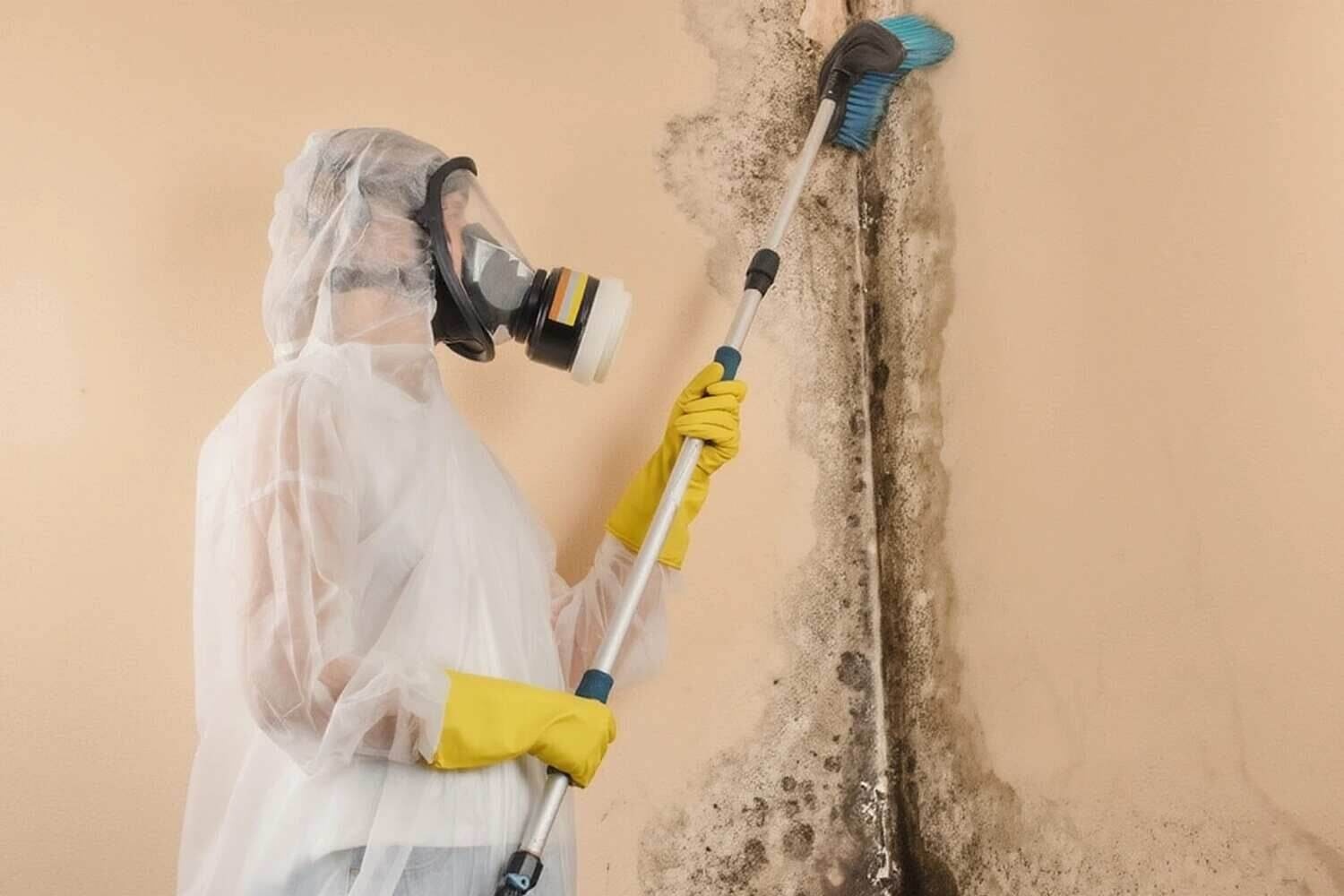
Mold removal in Park Slope almost always starts with a slow leak in an old brownstone. A cast-iron supply line behind a parlor-floor bathroom weeps into the plaster and subfloor for weeks before a stain shows on the ceiling below, and the moisture runs down the wall cavity toward a finished garden level that sits low against the grade. The original oak underfoot sits right in that path, and hundred-year-old parquet does not take being soaked twice. This is mold from water damage, and by the time you smell it the colony is usually into the joists, not just the surface.
These houses are layered, century-old assemblies, and we treat them that way. Before anything opens, Reliable Brooklyn Water Damage Restoration reads the wall cavity and subfloor with moisture meters to learn what is actually wet, then seals the room, scrubs the air, and pulls only the material that has to go — protecting the plaster, trim, and floor around it. As a mold remediation company we fold the leak repair and the drying into one scope, because a colony cut out of a still-damp joist bay just returns. Our mold removal services run from our Brownsville base, usually 20 to 30 minutes from the Slope.
What we cover in Park Slope
- Read the assembly before we open it — moisture meters and a thermal camera map how far the wet has run down the wall cavity and across the subfloor, so we cut the actual footprint and not the whole room.
- Contain, then remove around the finishes — poly and negative air seal the parlor before the first cut; colonized plaster and subfloor come out under HEPA scrubbing while sound trim, molding, and salvageable oak stay protected.
- Stop the weeping line at its source — the cast-iron supply or drain that fed the colony gets repaired, because drying a joist bay that is still being wet from above is time wasted.
- Dry the joists to a number — air movers and dehumidifiers run the cavity and subfloor down to a verified reading, and the floor stays open until the meter holds; larger jobs get independent clearance under New York's mold law.
Full detail on this service: Mold Removal in Brooklyn · or see every water damage service we provide in Park Slope.
Common questions in Park Slope
The parquet is lifting where the leak ran. Can any of my original floor be saved, or does it all come up?
Some usually can, and we decide board by board with a meter rather than pulling the whole floor on sight. Old parquet that cupped but dries flat and reads dry underneath can often be re-laid; boards that delaminated at the glue, or that sit over a subfloor with growth through it, have to come up so we can clear and dry what is under them. We protect the sound field around the wet area and open only what the moisture reached. On a brownstone floor that cannot be matched at a store, saving what we can is worth the extra care, and we treat it that way.
Is the mold in my house actually a health problem, or am I overreacting?
It depends on who is breathing it and for how long. Most healthy adults get irritation from a colony this size: a stuffy head, itchy eyes, a cough that eases once they are out of the house. Children, anyone with asthma, and people with a weakened immune system tend to react harder and sooner. You do not need a lab report to act on it. Testing which species you have almost never changes the work, because material with growth through it comes out either way, so the money is better spent on the removal than the diagnosis.
The leak came from my upstairs neighbor's unit. Who files the claim for the mold?
Often both of you, on different policies, and the split depends on your building's setup and where the failed line runs. In a Park Slope brownstone divided into a couple of units, the neighbor's line may be their responsibility while your finishes are yours, so their carrier and your HO-6 can both end up involved. We do not decide fault. What we do is document your side thoroughly: the source, the meter readings, and the material we remove, in a file that stands up whether you claim on your own policy or against the neighbor's. A clean record is what keeps a shared-wall dispute from stalling the work.
How long before I can put the floor back?
For a single-room job, figure three to five days. The first day covers containment, the source repair, and removal; then air movers and dehumidifiers run two to four days while the subfloor and joist bay dry down to a metered reading, and nothing closes until that number holds. If a re-lay of salvaged parquet is part of it, or the growth ran into more than one bay, add time for that. We give you the real schedule once we have opened the floor and metered what is under it, not a guess before we have seen it.
Licensed, insured & trained to industry standards


Parquet cupping and sour near the leak in your Park Slope parlor? Call now.
A real person answers any hour, and a crew rolls from Brownsville, usually 20 to 30 minutes from the Slope, with the containment and drying gear loaded. Every job closes the same way: the leak stopped, the joists metered dry, the file ready for your carrier. The longer the subfloor stays wet, the more of that original oak you lose. Call (347) 906-9419.
Call (347) 906-9419