Flood Damage Restoration in Coney Island, NY
A nor'easter puts the tide over the Coney Island Creek bank overnight, and the water floods the below-grade boiler room of a Neptune Avenue tower, knocking out heat and hot water for the whole building. Once the tide drops, we pump it out and dry the mechanical space.
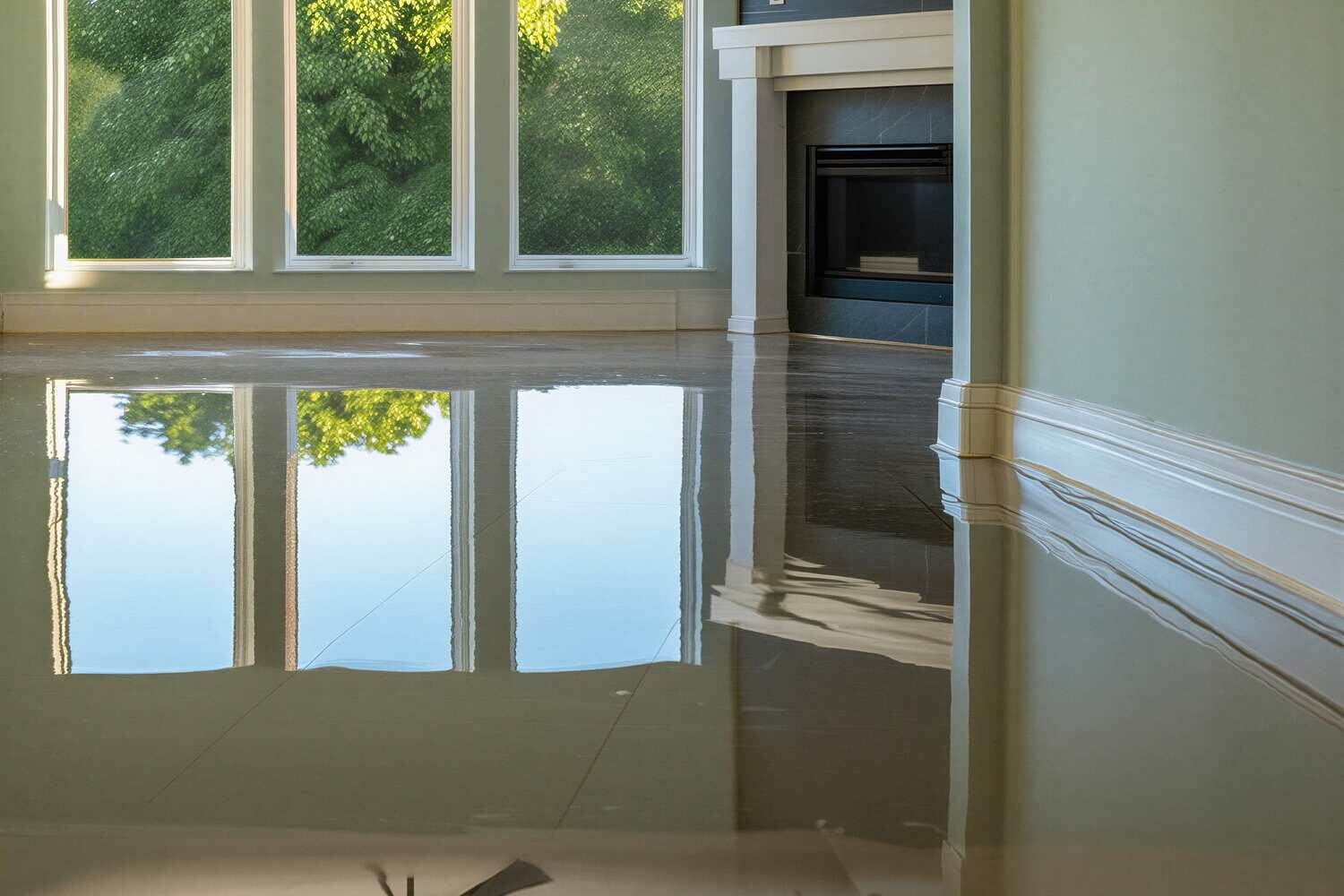
Flood damage restoration in Coney Island is rarely a clean burst pipe, because this is a low barrier peninsula with water on three sides. When Sandy hit, a storm tide near 14 feet broke over the boardwalk and pushed in from Gravesend Bay and Coney Island Creek at once, and the same low blocks still take water whenever a strong nor'easter tracks up the shore. It lands hardest on the ground-floor apartments in the brick towers along Surf and Neptune, on the below-grade boiler rooms and cellars under them, and on the older row houses near the creek, where surge mixes with a backed-up sewer and turns a flood into a contamination job. In a high-rise, the water that fills the mechanical space downstairs can take out heat, hot water, and the elevators for a whole building at once.
Reliable Brooklyn Water Damage Restoration runs the same order on every one of those calls, with a live person answering at any hour. Cleanup leads. Once the tide has dropped and it's safe to work, we pump the standing water out of the unit, cellar, or boiler room, then test whether it came up as clean seawater or carried sewage, and sanitize every hard surface it reached. Air movers and dehumidifiers go in next and stay until the framing, subfloor, and CMU walls read dry on a meter, not the hand. Repairs close it out, new drywall, insulation, and flooring wherever soaked material had to come out. It is complete flood restoration under one crew, and through all of it we log the high-water line, the salinity if it's seawater, and every piece hauled away — because in a FEMA high-risk zone that record is what your flood policy runs on. We document the loss; your carrier decides what it covers.
What we cover in Coney Island
- Coastal-flood pump-out — submersible pumps and truck-mounted vacuums clear standing water from the ground-floor units, cellars, and below-grade boiler rooms that take the brunt of a flood here.
- Flood cleanup & sanitizing — we clear the silt, sand, and debris a surge drags in, then treat every surface the seawater or sewage reached with an EPA-registered antimicrobial.
- Structural drying — air movers and dehumidifiers pull moisture from the CMU walls, framing, and subfloor until a meter confirms it, with a fresh reading logged every day.
- Flood damage repair — we cut out soaked drywall, insulation, and flooring, then put the space back together so the apartment is livable again.
Full detail on this service: Flood Damage Restoration in Brooklyn · or see every water damage service we provide in Coney Island.
Common questions in Coney Island
Storm water flooded the boiler room in my Coney Island building and we've lost heat and hot water. What do you do first?
Once the tide has dropped and the space is safe, we pump it down and get the mechanical room drying, but safety comes first: floodwater around a boiler, gas lines, and electrical panels is a real hazard, so the utility and the super shut off gas and power to that space before anyone goes in. We coordinate with building management, pump the water, and run air movers and dehumidifiers on the walls and slab while your mechanical contractor assesses the boiler and elevators. We document the flood line and the damage for the building's claim. Call (347) 906-9419 and we'll dispatch as soon as it's safe to enter.
Who pays to clean up a flooded building space or apartment near the boardwalk after a coastal storm?
Coastal surge and tidal flooding fall under flood insurance, not a standard homeowner's or renter's policy, and much of Coney Island sits in a FEMA high-risk zone where flood coverage is effectively required for a mortgage. The building's flood and property policies cover the common structure and the boiler room; if you rent an apartment, the structure is the building's while your belongings need your own renter's or flood policy. We photograph the high-water line, note the salinity if it's seawater, and log the contamination so each carrier sees exactly what it owes. We document the loss; your carrier decides what it covers.
The water that came in was salt water off the creek. Does seawater change how you handle it?
Yes. Salt water is corrosive and it does not simply dry clean — the salt stays behind in porous material and on metal, drawing moisture back and attacking electrical and mechanical parts long after the surface looks dry. So we flush and rinse the affected surfaces, not just dry them, sanitize what stays, and remove porous material that soaked it up. If a surge also pushed sewage up a drain, we treat the whole footprint as Category 3, contaminated. Metal fixtures, panels, and equipment that sat in brackish water get flagged for your contractor, because corrosion can show up weeks later.
Do you come out during the storm while the water is still coming in?
No — we are a restoration crew, not a water rescue, and during an active surge on the peninsula there is nothing to dry yet and the danger is real. We move in once the tide has crested and receded and the space is safe to work. Until then, get people out and up to a dry floor, cut power to the flooded level at the panel only if you can reach it safely, and photograph the high-water line. The moment the water pulls back we pump the space down and start the cleanup and drying, and calling early means we're already dispatched when that window opens. Reach us at (347) 906-9419.
Licensed, insured & trained to industry standards


Storm water in a Coney Island building or apartment? Call now.
A crew heads for the peninsula the moment it's safe, any hour, answered live by our own team. We pump the standing water out, flush what the salt left, dry the structure to a meter reading, and document every step for your flood claim. Call (347) 906-9419.
Call (347) 906-9419