Flood Damage Restoration in Crown Heights, NY
A cast-iron waste stack cracks at a joint behind the wall of a prewar building on Nostrand, and it weeps inside the plaster for weeks — a musty smell long before any brown ring. We meter the cavity and dry it out before the framing behind it goes.
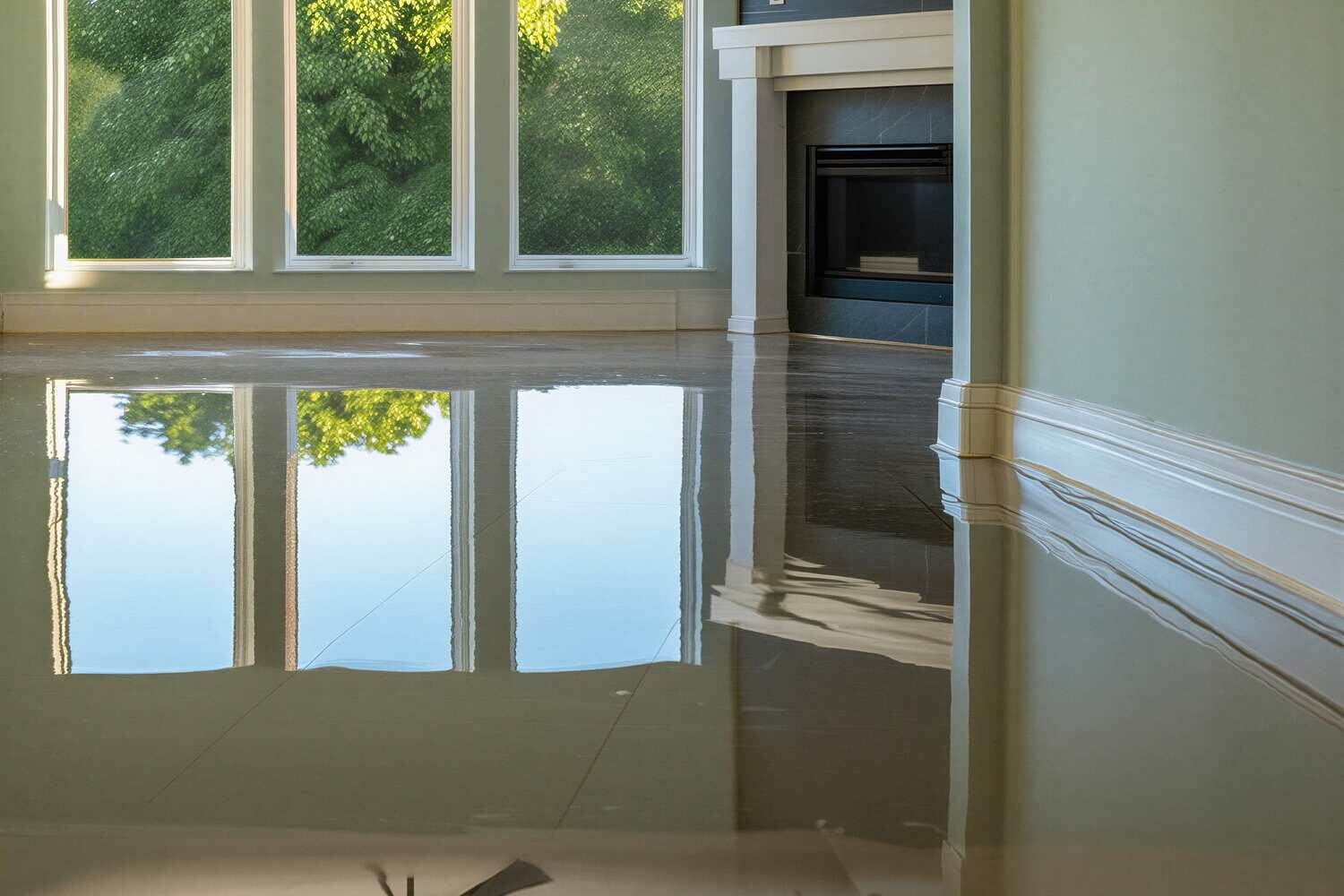
Crown Heights splits along a line you can almost draw on a map. The landmarked brownstone and limestone blocks north of Eastern Parkway are one kind of flood job; the six- and eight-story prewar rental buildings that wall Nostrand, Bedford, and Franklin are another. Both were built around single vertical risers that feed a whole column of apartments off aging cast-iron waste stacks and galvanized supply branches. That is why a leak here so rarely stays put. A fitting corrodes through on an upper floor and the water rides the chase down, surfacing as a stain two or three units below the break — but the slower, sneakier version is a stack that cracks at a joint and weeps inside the wall for weeks, a musty smell long before anything shows, quietly soaking the framing the whole time.
A crew loads at our Brownsville base a short run to the southeast; figure roughly 45 minutes to Crown Heights in ordinary traffic, which is the honest drive and not a scheduled slot. In a stacked prewar building the stain only marks where the water broke through, so flood damage restoration here starts with a thermal camera and a moisture meter, tracing the wet path down through every affected floor rather than guessing from the ceiling below. We get the shared riser shut with the super, pull any standing water, then stage air movers and dehumidifiers to the moisture map, metered daily until the plaster and framing hold dry numbers instead of a dry surface. Below grade, the garden units these buildings rent out sit right at the water line, so a hard storm that surcharges the old combined sewer pushes contaminated water back up the cellar drain — Category 3, which we contain and sanitize before any dryer runs. Last comes the flood repair: the soaked plaster and drywall we opened go back, trim and flooring refitted, each affected apartment documented on its own. We document the loss; your carrier decides what it covers.
What we cover in Crown Heights
- Slow-leak detection — a thermal camera and a moisture meter find a stack that's been weeping inside the wall for weeks, so we open at the source before the framing behind the plaster is lost.
- Multi-floor riser response — we trace a break high in the stack down through every wet apartment, get the riser shut with the super, and dry each unit in the path.
- Prewar plaster drying — air movers and dehumidifiers pull moisture out of thick plaster, framing, and subfloor, with a fresh meter reading logged every day until it hits a dry standard.
- Repair & document per unit — the plaster and flooring that can't be saved come out and go back, and each apartment's loss is logged on its own for the claim.
Full detail on this service: Flood Damage Restoration in Brooklyn · or see every water damage service we provide in Crown Heights.
Common questions in Crown Heights
There's a musty smell and a soft patch in my wall but no obvious leak. Could water be hiding in there?
Very likely, and it's a classic Crown Heights problem. An old cast-iron waste stack cracks at a joint and weeps inside the wall for weeks — the smell and a soft or discolored patch show up long before any real stain. We bring a thermal camera and a moisture meter to confirm where the water is and how far it's traveled through the framing, then open at that spot. Left alone, a slow weep keeps feeding the wood and grows mold behind a surface that still looks intact. Call (347) 906-9419 and we'll find out what's behind the wall before it becomes a tear-out.
Water is coming through my ceiling from the unit above right now. What do I do in the first hour?
If water is near outlets or a light fixture, kill the power to those rooms at the breaker first, then move what you can off the wet floor and slide a bucket under the heaviest drip. Knock on the unit above or call the building so the source gets shut off, and photograph everything wet before you mop, because those shots anchor your claim. Then call us. We answer 24/7 with a live person, no answering service, and a crew can be on the way to pull the water before it loads the floors below. Reach us at (347) 906-9419.
How long does it take to dry a prewar Crown Heights apartment after a riser leak?
Plan on three to five days for most units, once we've pulled any standing water and set the equipment. The thick plaster-and-lath ceilings and the brick walls these buildings are built from hold moisture far longer than modern drywall, so we read the structure with a meter every day and pull the air movers only when it reaches a dry standard, never on a fixed timer. If the ceiling cavity stayed wet long enough to open up, that adds a day, and a dirty backup adds antimicrobial treatment and the tear-out of soaked material.
My upstairs neighbor's pipe flooded into my Crown Heights apartment. Who pays for the restoration?
That one goes to your insurer and, often, a housing attorney, because it turns on whether the source was negligence, a building-system failure, or something nobody controlled, plus how your lease and the building's policy read. Our job is the record both carriers need to settle it: we photograph every wet surface, take moisture readings floor by floor, and write a scope of what was soaked and what was lost. Call (347) 906-9419 and we'll start drying today and hand you the full documentation. We document the loss; your carrier decides what it covers.
Licensed, insured & trained to industry standards


Musty wall or a leaking ceiling in Crown Heights? Call now.
Call (347) 906-9419 and a live person answers, any hour, with the crew a short run from our Brownsville base. We find the hidden water, dry the plaster and framing to a meter reading, and log each affected unit for your claim.
Call (347) 906-9419