Flood Damage Restoration in Staten Island, NY
A king tide on a full moon puts the bay back over the bulkheads, and the finished cellar of a Midland Beach house fills past the sump before it keeps up. We pump it out, test what it carried off the bay, and set air movers that afternoon.
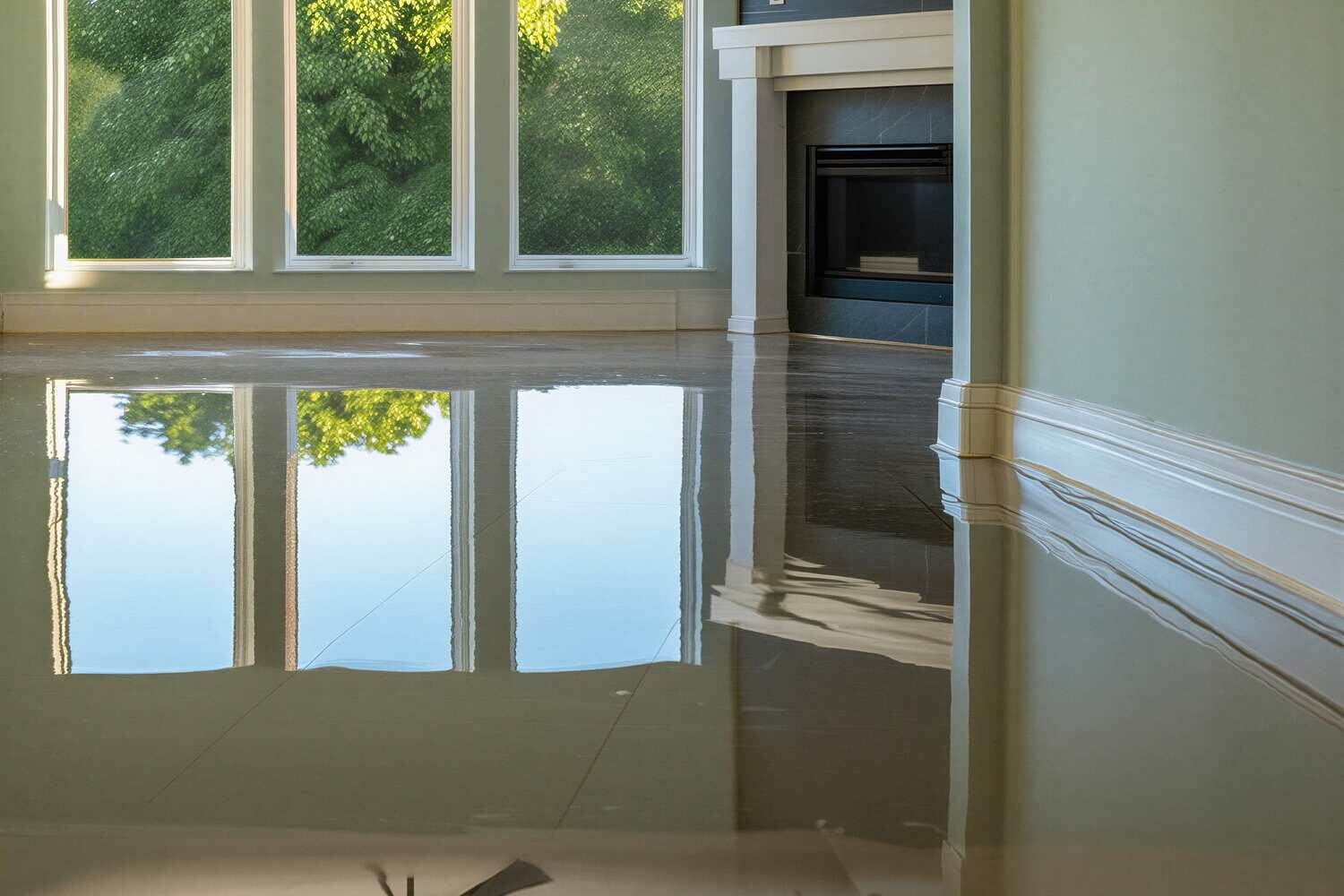
Staten Island floods harder and more often than the rest of the city, and the low East Shore takes the brunt. Tottenville, Great Kills, Oakwood, and Midland Beach sit open to Lower New York Bay inside FEMA AE and VE flood zones, and Sandy drove a surge near fourteen feet up those streets in 2012. The water never really backed off. Blocks that used to flood once a decade now pump the cellar out several times a year, and every king tide on a full moon and every nor'easter puts the bay back over the bulkheads. What makes it costly is that more homes here finish the basement into a den, a bedroom, or a rental than anywhere else in New York, and that lower level sits at exactly the height the surge reaches first — soaking framing and subfloor from below and pulling moisture long after the tide drops.
We reach most of the island in 45 to 60 minutes over the Verrazzano, traffic and the toll depending, and flood damage restoration on the East Shore leads with cleanup. We pump the standing water out of the cellar or below-grade garage that fills first, then test whether it came up clean off the bay or carried sewage from a backed-up drain. When it came up a drain we classify it as Category 3 black water and contain and sanitize before any dryer runs. Air movers and dehumidifiers then work a moisture map until the CMU foundation walls, framing, and subfloor read dry on the meter, not dry to the hand. The flood repair closes it: the soaked drywall, insulation, and flooring come out, new material goes back, and we log the water source, how deep it got, and every piece we hauled — because that record is what an NFIP flood policy or a homeowner's policy runs on. We document the loss; your carrier decides what it covers.
What we cover in Staten Island
- Surge & tide pump-out — submersible pumps and truck-mounted vacuums clear the bay water from the finished cellars and below-grade garages that fill first in East Shore homes.
- Category 3 handling when it came up a drain — a surcharged combined sewer is black water, so we contain, remove the porous material that drank it, and sanitize before drying.
- Structural drying — air movers and dehumidifiers pull moisture out of CMU foundation walls, framing, and subfloor until a meter confirms it, with a fresh reading every day.
- NFIP-ready documentation — the water source, its depth, and every piece removed are photographed, logged, and dated for whichever policy is in play.
Full detail on this service: Flood Damage Restoration in Brooklyn · or see every water damage service we provide in Staten Island.
Common questions in Staten Island
My East Shore cellar has flooded twice this year already. Is it worth calling a crew every single time?
What costs you here isn't the water you can see. It's the moisture the framing, subfloor, and CMU walls drink each storm and never fully give back. A shop pump clears the puddle and leaves the structure soaked, and over two or three floods that hidden moisture compounds: a cleanup quietly becomes a partial gut, and mold sets up inside the walls. We get that flooding this often makes the cost feel like a tax on living here. Call us at (347) 906-9419 after each event and we'll meter the structure and tell you straight what actually needs commercial drying versus what your own pump can handle.
The water came up through the floor drain, not over the bulkhead. Is it really contaminated?
Treat it as contaminated until it's tested. That floor drain shares a line with sanitary waste, so when the combined sewer surcharges in a downpour, what backs up has already mixed with sewage upstream, clear-looking or not. We meter and inspect the moment we arrive and handle it as Category 3 at any sign of contamination: the porous materials that drank it up come out, and everything that stays gets sanitized. That costs far less now than tearing mold out of framing a year from now. Call (347) 906-9419 and we'll look at it today.
Will my homeowner's policy pay for a Staten Island flood, or do I need NFIP coverage?
It depends entirely on how the water got in. A standard homeowner's policy covers a sudden internal failure, like a burst supply line or a failed water heater, but it shuts out the storm surge and groundwater that define flooding here on the East Shore. Coastal flooding is on your NFIP flood policy through FEMA, or a private flood carrier, and a drain or sewer backup is yours only if you carry the specific backup endorsement, which plenty of owners don't know is missing until they file. We photograph the source, log the water category, and write up the readings so your adjuster has the whole picture. We document the loss; your carrier decides coverage.
How fast do you cross the Verrazzano, and what should I do before you get here?
Staten Island is the one borough we reach only over the bridge, so the drive is longer than the rest of our map and the toll and bridge traffic set the clock, not us — figure 45 minutes to an hour as an honest window, never a promise, which is exactly why an early call saves the most. Before we pull up: keep everyone out of standing water, and if you can reach the panel without stepping in anything wet, cut the cellar circuits. Lift what you can off the floor, and if the water smells foul after a drain backup, stay out of it entirely. Call (347) 906-9419 and the crew is rolling while we talk.
Licensed, insured & trained to industry standards


Bay over the bulkhead and into your cellar? Call now.
Call (347) 906-9419 and a real person answers, any hour, with the crew loading at our Brownsville base for the run over the Verrazzano. We pump the cellar out, test whether it carried sewage, dry the CMU walls and framing to a meter reading, and file the readings and photos for your NFIP or homeowner's claim.
Call (347) 906-9419