Water Mitigation in Coney Island, NY
A nor'easter drives Gravesend Bay over the bulkhead, and a bungalow basement south of Mermaid Avenue fills with brackish water that soaks into the masonry foundation and sits. Pump it and leave, and the wall cavity is wet for weeks. We meter it dry against the block.
Coney Island sits on a barrier peninsula with the Atlantic on one side and Gravesend Bay on the other, so water mitigation here starts with two problems at once: volume and salt. A storm surge that overtops the bulkhead usually arrives mixed with combined-sewer overflow, which makes it a contaminated loss rather than clean rain. And the masonry foundations under the postwar high-rises near Surf Avenue and the older bungalow blocks south of Mermaid hold that moisture long after the wood framing reads dry to a meter. A pump-and-go cleanup leaves the wall cavities and the block soaked, and on a coastal building that is a mold colony within a few days.
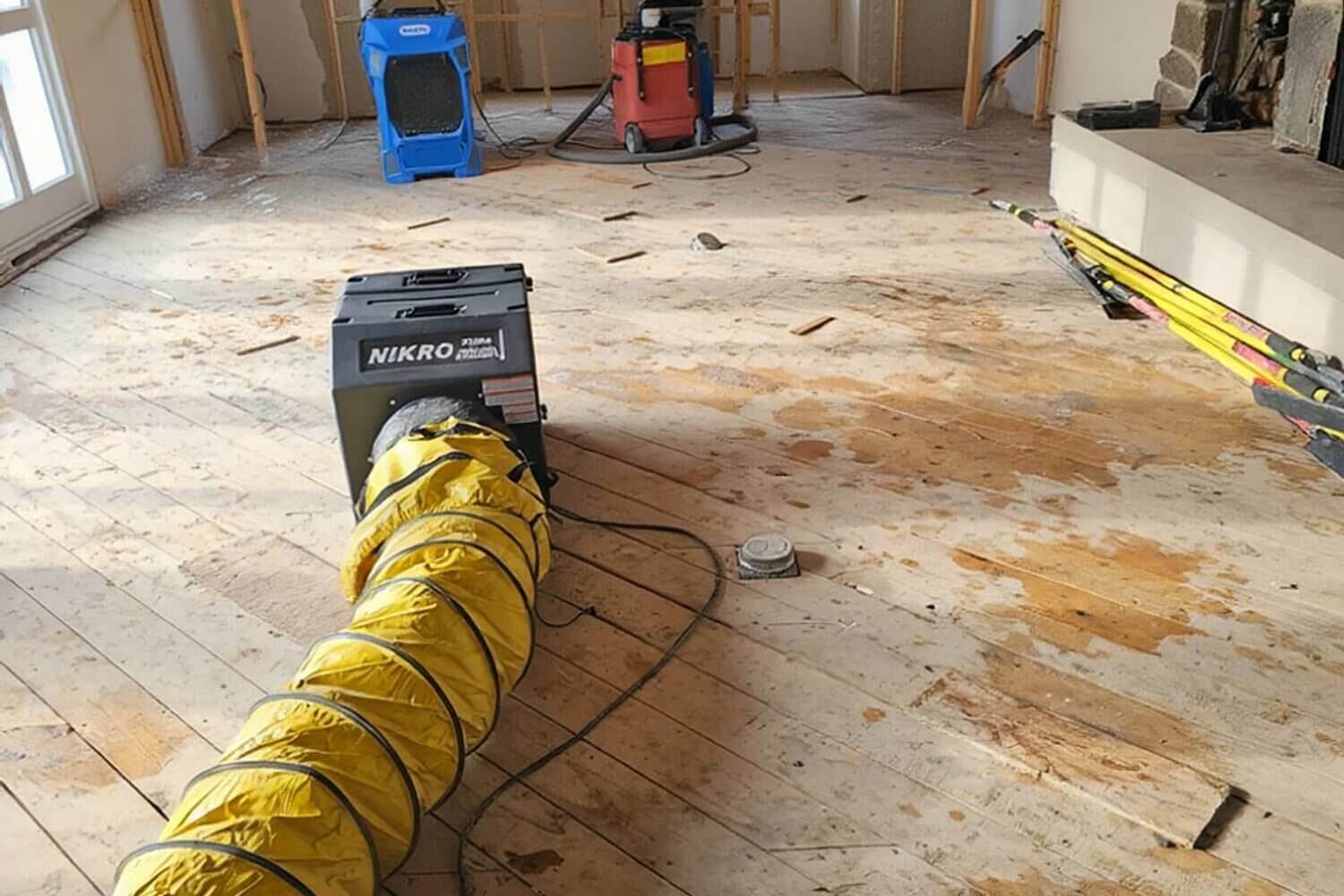
We run it as one coordinated response from a Brownsville base: pump trucks for the standing water, controlled removal of the porous materials the contaminated water touched, then air movers and dehumidifiers metered against the masonry itself until the readings hit a stable dry target. Water damage mitigation on a salt-loaded coastal loss also means flushing and neutralizing surfaces the brackish water reached, because dried salt keeps pulling moisture back. Our team answers live around the clock, no answering service, and records the high-water mark, the water category, and every reading so your carrier has what it needs. From Brownsville we are usually on Coney Island inside 45 minutes. We document the loss; your carrier decides what it covers.
What we cover in Coney Island
- Pump the volume out — truck-mounted and submersible pumps clear a flooded bungalow basement or ground-floor unit fast, before the brackish water wicks any higher into the walls.
- Handled as contaminated water — surge mixed with sewer overflow is Category 3, so the crew removes the porous materials it soaked and disinfects rather than treating it as clean rainwater.
- Masonry dried, not just the framing — we meter against the block and foundation, flush the salt the brackish water left, and keep drying the cavity after the wood reads dry, since the masonry holds water longest.
- Documented to a dry standard — air movers and dehumidifiers run until the readings hold, with the high-water mark, water category, and daily log recorded for your claim.
Full detail on this service: Water Mitigation in Brooklyn · or see every water damage service we provide in Coney Island.
Common questions in Coney Island
My ground-floor unit in a Surf Avenue high-rise flooded in a nor'easter. Does the building's policy cover the inside of my apartment?
Usually not the inside. The building's master policy covers the structure and common areas, but the flooring, walls, and belongings inside your unit fall to your own coverage — an HO-6 unit-owner policy if you own, or a renter's policy if you rent. And because the water came in as a coastal flood, that damage generally sits under a separate NFIP flood policy rather than a standard homeowner or renter policy, which excludes flood. It is worth checking whether you carry flood coverage, since a surge loss is exactly what it is for. We document the source, the high-water line, and every wet material so whichever policy responds has a full file. We document the loss; your carrier decides what it covers.
Coney Island flooded badly in Sandy. After a surge, can I just pump out my basement and let it air-dry?
Pumping is only the start, and air-drying a coastal surge is what left so many buildings with mold after Sandy. Two reasons: the water is contaminated, so the porous materials it soaked have to come out rather than dry in place, and the salt it leaves behind keeps drawing moisture back into the masonry even after the surface feels dry. We remove and bag what the water contaminated, flush and neutralize the salt on the surfaces that stay, and dry the block and framing to a metered target. Skipping those steps is why a basement that looked dry in a week was black with mold in a month.
Why does a Coney Island basement take longer to dry after a coastal flood than an inland leak?
Longer than an inland leak, because masonry gives up moisture slowly and salt slows it further. We pump the standing water the first visit, but the drying usually runs a week or more on a coastal foundation, versus a few days for a clean interior leak. Air movers and dehumidifiers run continuously, and we meter the block and the framing every day rather than pulling the gear on a schedule. You get a reading update daily, so you can see the wall actually coming down to dry instead of guessing. Rushing it on a coastal building is how the moisture gets sealed in and comes back as mold.
The surge is receding and my Coney Island basement is flooded. What should I do before the crew arrives?
Stay out of the flooded level until the power to it is off, because surge water is contaminated and standing water with live outlets is dangerous. If the panel is dry and reachable, cut power to the basement; if not, wait for us or an electrician rather than wading in. Do not run a furnace or any basement appliance that got wet. From dry ground, shoot photos of how high the brackish water reached before it drops, since that high-water mark matters for a flood claim. Then call (347) 906-9419 and a real person answers, any hour.
Licensed, insured & trained to industry standards


Surge water in a Coney Island basement? Call now.
A Brooklyn crew answers live 24/7 and rolls from Brownsville with its own pump trucks and meters. We pump it out, remove and disinfect what the water contaminated, dry the masonry to a metered standard, and document the loss for your carrier. Call (347) 906-9419.
Call (347) 906-9419